
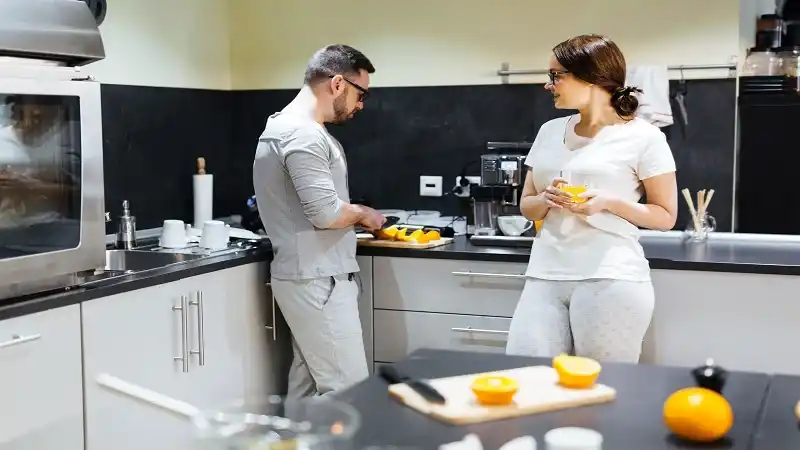
The kitchen is one of the most important spaces in any home. It is where families prepare meals, enjoy conversations, organize groceries, and spend time together. However, keeping a kitchen clean, organized, and functional can sometimes become challenging. Limited storage, cluttered countertops, wasted food, and inefficient cooking routines can make everyday kitchen activities stressful.
Fortunately, a few simple changes can make a significant difference. Smart kitchen hacks help homeowners save time, reduce waste, improve organization, and create a comfortable cooking environment. These ideas do not always require expensive equipment or major renovations. In many cases, small adjustments and creative thinking are enough to improve the entire kitchen.
Learning practical ideas through epickitchensolutions.com hacks can help readers understand how everyday kitchen problems can be solved with simple and affordable methods. From organizing cabinets to maintaining cooking tools, useful strategies can make daily kitchen tasks easier.
This article explores practical kitchen hacks, storage techniques, cleaning methods, food preparation ideas, and ways to create a more efficient cooking space.
1. Organize Your Kitchen According to Daily Needs
Kitchen organization is the foundation of an efficient cooking environment. When everything has a specific place, finding ingredients and cooking tools becomes much easier.
Start by examining the items you use most frequently. Cooking spoons, knives, plates, glasses, and frequently used spices should remain within easy reach. Items used occasionally, such as special baking equipment or large serving dishes, can be stored in less accessible cabinets.
Another useful approach is to divide kitchen storage into different sections.
-
Cooking section: Keep pots, pans, and cooking utensils together.
-
Food preparation section: Store chopping boards, knives, and mixing bowls nearby.
-
Cleaning section: Arrange dishwashing products and cleaning cloths in one location.
-
Food storage section: Keep containers, jars, and food wraps together.
This arrangement reduces unnecessary movement and makes cooking more comfortable.
2. Make Better Use of Cabinet Space
Cabinets often contain more storage space than homeowners realize. However, poor arrangements can make them difficult to use.
One effective solution is to introduce shelf organizers. These create additional levels inside cabinets, allowing plates, cups, and bowls to be arranged without wasting vertical space.
You can also use small baskets to organize packaged foods, snacks, and baking ingredients. Instead of placing everything randomly, group similar products together.
Consider these simple improvements:
-
Use stackable containers for dry ingredients.
-
Install hooks inside cabinet doors for lightweight items.
-
Arrange plates according to size.
-
Keep frequently used products near the front.
-
Label containers to identify their contents quickly.
These small changes make cabinets easier to manage and help prevent unnecessary clutter.
3. Keep Your Kitchen Countertops Clean
Countertops provide important working space for food preparation. Unfortunately, they can quickly become crowded with appliances, containers, decorations, and miscellaneous household items.
A clean countertop improves both appearance and functionality.
Begin by removing objects that are not necessary for everyday cooking. Keep only frequently used appliances and essential tools on the surface.
A small tray can be useful for organizing cooking oil, salt, pepper, and other regularly used ingredients. This creates a designated area and makes cleaning easier.
After preparing meals, wipe the countertop with an appropriate kitchen-safe cleaning product. Pay particular attention to areas around sinks and cooking appliances because these spaces frequently collect moisture, grease, and food particles.
Remember that a tidy countertop is not simply about appearance. It also provides a safer and more practical workspace.
4. Use Smart Food Storage Techniques
Proper food storage helps maintain freshness and reduce unnecessary waste. Different foods require different storage conditions, so understanding basic storage principles is important.
For example, dry ingredients such as rice, flour, lentils, and pasta should generally be kept in airtight containers. These containers help protect food from moisture, insects, and unwanted odors.
Fresh vegetables should be stored according to their individual requirements. Some vegetables benefit from refrigeration, while others maintain their quality better in a cool, dry environment.
Here are several useful food storage practices:
-
Use airtight containers for dry foods.
-
Store raw meat separately from ready-to-eat foods.
-
Keep refrigerated foods at safe temperatures.
-
Check expiration and use-by dates regularly.
-
Place older products where they can be used first.
-
Avoid overcrowding the refrigerator.
Following these practices can improve food safety and help households manage groceries more effectively.
5. Make Meal Preparation Faster
Preparing ingredients before cooking can save considerable time. Professional kitchens often use this approach because it allows cooks to work more efficiently.
You can follow the same principle at home by preparing ingredients in advance.
Before beginning a recipe, collect the required vegetables, spices, cooking oil, and utensils. Wash and cut ingredients when appropriate, and arrange them in separate bowls.
For busy households, preparing certain ingredients ahead of time can make weekday epickitchensolutions.com hacks cooking easier. Vegetables can be washed, dried, and stored properly. Some sauces and spice mixtures can also be prepared in advance.
However, perishable ingredients must be refrigerated appropriately, and prepared foods should not remain at room temperature for extended periods.
Good preparation habits reduce confusion and allow you to focus on cooking rather than searching for missing ingredients.
6. Discover Practical Cleaning Hacks
Cleaning is an essential part of kitchen maintenance. Grease, food spills, and moisture can accumulate quickly if surfaces are not maintained regularly.
A simple daily cleaning routine can prevent small problems from becoming difficult tasks.
Clean as you cook: Wash used utensils or place them in the dishwasher while food is cooking.
Wipe spills immediately: Fresh spills are usually easier to remove than dried food or grease.
Maintain the sink: Clean the sink regularly and avoid leaving food scraps inside the drain.
Clean appliance surfaces: Remove grease and fingerprints from suitable exterior surfaces.
Replace cleaning cloths: Wash kitchen cloths frequently and allow them to dry properly.
For stubborn grease, use a cleaning product suitable for the particular surface. Always follow the manufacturer’s instructions, especially when cleaning stainless steel, glass, or delicate finishes.
Never mix household cleaning chemicals, particularly bleach with ammonia or acidic cleaners, because dangerous gases can form.
7. Reduce Food Waste with Better Planning
Food waste is a common household problem. Many families purchase more groceries than they need, forget about ingredients, or prepare larger meals than necessary.
Meal planning is one of the easiest ways to reduce this problem.
Before shopping, check your refrigerator, freezer, and pantry. Make a list of ingredients that are already available and identify what needs to be purchased.
Planning meals for several days can also help you use ingredients more effectively.
For example, vegetables purchased for one recipe may also be suitable for soups, salads, or other meals. Leftovers can sometimes be transformed into another dish when stored safely.
Consider these practical habits:
-
Prepare a weekly meal plan.
-
Buy groceries according to actual requirements.
-
Freeze suitable foods before they spoil.
-
Store leftovers in clearly labeled containers.
-
Check refrigerated items regularly.
These methods can reduce waste and help families control their grocery expenses.
8. Improve Refrigerator Organization
A refrigerator is more useful when its contents are arranged properly. Poor organization can cause forgotten ingredients, unnecessary purchases, and food spoilage.
Start by separating different categories of food. Keep raw meat and seafood securely covered and separated from ready-to-eat foods to prevent cross-contamination.
Use suitable containers to store leftovers and label them with preparation dates.
The refrigerator door is generally warmer than the main compartment, so avoid storing highly perishable foods there. Follow your appliance’s storage guidance and keep its temperature at or below 40°F (4°C).
Another useful technique is to create a designated section for foods that should be consumed soon. This makes it easier to remember which ingredients need attention.
Regular refrigerator cleaning also helps maintain hygiene and prevents unpleasant odors.
9. Choose Kitchen Tools That Save Time
The right kitchen tools can make everyday tasks easier. However, buying too many unnecessary gadgets can create more clutter.
Focus on versatile equipment that serves multiple purposes.
Some useful examples include:
| Kitchen Tool | Main Benefit |
|---|---|
| Sharp chef’s knife | Makes cutting and chopping easier |
| Measuring cups | Helps maintain accurate quantities |
| Mixing bowls | Supports preparation and mixing |
| Cutting boards | Provides a suitable food preparation surface |
| Airtight containers | Helps organize and protect ingredients |
| Vegetable peeler | Makes peeling vegetables easier |
| Kitchen timer | Helps monitor cooking time |
Before purchasing a new tool, consider whether it solves a regular problem. A small collection of reliable equipment is often more useful than a large collection of rarely used gadgets.
10. Create More Space in a Small Kitchen
Small kitchens can become difficult to manage when every available surface is occupied. Fortunately, thoughtful arrangements can help create additional usable space.
Vertical storage is particularly helpful. Wall-mounted shelves, hooks, and magnetic organizers can hold suitable kitchen items without taking up valuable countertop space.
You can also use the inside of cabinet doors for lightweight storage accessories.
Another useful idea is to choose equipment that can be folded, stacked, or stored compactly. Nesting bowls and collapsible kitchen accessories are practical examples.
Avoid keeping unnecessary appliances on countertops. Store them in cabinets when they are not being used.
A small kitchen does not need to feel crowded. Good planning can make even a limited space comfortable and functional.
11. Maintain Kitchen Appliances Properly
Kitchen appliances require regular care to remain efficient and safe.
Refrigerators should have clean interior surfaces and enough space for proper air circulation. Microwaves should be cleaned to remove food splashes and odors. Cooking appliances should be maintained according to their manufacturer’s recommendations.
Some important maintenance practices include:
-
Unplug suitable appliances before cleaning.
-
Follow manufacturer cleaning instructions.
-
Avoid using excessive water around electrical components.
-
Check power cords for visible damage.
-
Clean appliance filters when recommended.
-
Arrange professional servicing when necessary.
Regular maintenance can help extend the useful life of kitchen equipment and reduce unexpected problems.
12. Build Simple Daily Kitchen Habits
Long-term kitchen organization depends on consistent habits rather than occasional cleaning sessions.
Developing a simple routine can make household responsibilities easier to manage.
Morning routine: Check essential ingredients, organize breakfast items, and wipe frequently used surfaces.
After cooking: Wash utensils, clean preparation areas, and return ingredients to their proper locations.
Evening routine: Clear countertops, clean the sink, dispose of waste, and prepare frequently needed items for the next day.
These habits do not require much time, but they can make a noticeable difference over several weeks.
The practical ideas discussed in epickitchensolutions.com hacks demonstrate how small improvements can create a more organized, comfortable, and productive kitchen environment.
13. Make Your Kitchen More Energy Efficient
Energy efficiency is another important consideration for modern households. Simple adjustments can help reduce unnecessary electricity and gas consumption.
When cooking, use appropriately sized pots and pans. Matching cookware to the heating element can reduce wasted energy.
Keep refrigerator doors closed whenever possible and avoid placing hot food directly inside the refrigerator. Allow suitable foods to cool safely before refrigeration.
Other useful practices include:
-
Turn off appliances when they are not needed.
-
Use lids while cooking when appropriate.
-
Maintain refrigerator door seals.
-
Avoid unnecessary preheating.
-
Use energy-efficient appliances when replacing old equipment.
These habits can support responsible energy use while maintaining a comfortable cooking environment.
Conclusion
A well-organized kitchen makes everyday household activities easier, faster, and more enjoyable. From improving cabinet storage to reducing food waste, simple kitchen improvements can provide meaningful benefits without requiring expensive renovations.
The most effective approach is to identify the problems that regularly affect your kitchen and introduce practical solutions one at a time. Organizing ingredients, cleaning surfaces, maintaining appliances, and planning meals can gradually transform the cooking environment.
The ideas covered in this guide show how epickitchensolutions.com hacks can be understood as practical approaches to improving kitchen organization, cleanliness, food storage, and daily efficiency.
Ultimately, a successful kitchen is not necessarily the largest or most expensive one. It is a space where everything has a purpose, essential tools are easy to find, and daily activities can be completed comfortably.
Frequently Asked Questions (FAQs)
1. What are the most useful kitchen organization hacks?
Using labeled containers, organizing cabinets, adding shelf organizers, and grouping similar ingredients are some of the most useful kitchen organization methods.
2. How can I keep my kitchen clean every day?
Clean spills immediately, wash utensils after cooking, wipe countertops regularly, and maintain a simple daily cleaning schedule.
3. How can I save space in a small kitchen?
Use vertical shelves, wall hooks, stackable containers, and compact kitchen equipment to make better use of available space.
4. What is the best way to reduce food waste?
Plan meals, purchase groceries according to household needs, store food properly, and use older ingredients before opening newer ones.
5. How can I make cooking faster?
Prepare ingredients before cooking, organize frequently used utensils, follow meal plans, and keep essential ingredients within easy reach.
6. Why is refrigerator organization important?
Proper refrigerator organization improves food management, helps prevent cross-contamination, and makes it easier to identify ingredients that need to be used soon.