
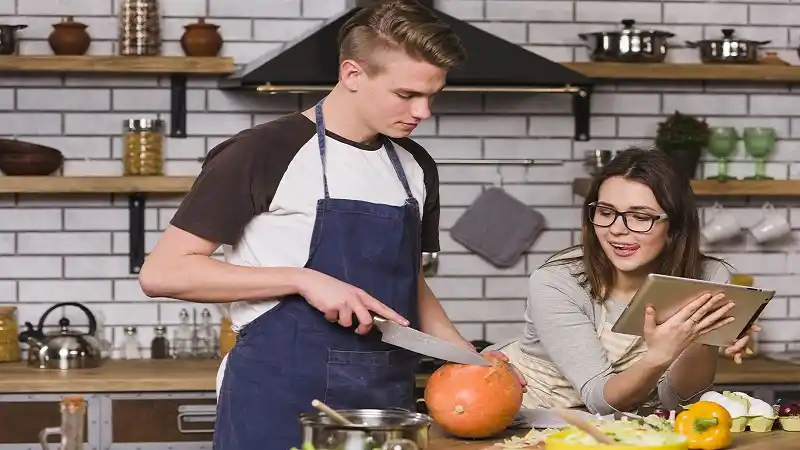
Cooking is an important part of everyday life. It is more than simply preparing food to satisfy hunger; it is a useful skill that brings creativity, health, and enjoyment into the home. Whether someone prepares simple meals for themselves or cooks for a large family, having basic cooking knowledge can make daily life easier and more enjoyable.
Modern cooking has become more convenient because of improved kitchen appliances, new cooking techniques, and access to different recipes. However, good cooking does not always require expensive equipment or complicated ingredients. With proper planning, fresh ingredients, and a little practice, anyone can prepare delicious and nutritious meals.
The concept of epickitchensolutions.com cooking can be explored through everyday kitchen activities, practical cooking methods, ingredient selection, and useful habits that help people become more confident in preparing meals. Understanding these areas can make cooking less stressful and encourage people to develop better food preparation skills.
1. Understanding the Basics of Cooking
Before preparing complicated dishes, it is important to understand the basic principles of cooking. These principles help beginners avoid common mistakes and produce better results.
Cooking involves applying heat to ingredients to change their texture, flavor, and appearance. Different foods require different temperatures and cooking times. For example, vegetables may need only a few minutes of cooking, while meat and certain grains require more time.
Some essential cooking skills include:
- Measuring ingredients correctly.
- Understanding cooking temperatures.
- Preparing vegetables and other ingredients.
- Using knives safely.
- Following recipes carefully.
- Learning when food is properly cooked.
Beginners should start with simple dishes such as vegetable soup, rice, pasta, omelets, and basic chicken recipes. These meals provide opportunities to practice important techniques without making the process difficult.
2. Choosing Fresh and Quality Ingredients
The quality of ingredients has a direct effect on the taste and nutritional value of a meal. Fresh ingredients generally provide better flavor, texture, and appearance.
When purchasing vegetables, look for natural colors, firm textures, and signs of freshness. Fruits should be selected according to their ripeness and intended use. Fresh meat, fish, and dairy products should always be purchased from reliable sources and stored at appropriate temperatures.
Some useful ingredient-selection tips include:
- Check expiration dates before purchasing packaged food.
- Avoid vegetables with unusual discoloration or signs of spoilage.
- Choose seasonal fruits and vegetables when possible.
- Read food labels to understand nutritional information.
- Purchase quantities that can be used before ingredients spoil.
It is also helpful to create a shopping list before visiting a grocery store. This reduces unnecessary purchases and makes meal preparation more organized.
3. Essential Cooking Techniques Everyone Should Learn
Learning different cooking techniques allows people to prepare a wider variety of meals. Each method offers different results and works better with certain ingredients.
Boiling
Boiling involves cooking food in water or another suitable liquid at a high temperature. It is commonly used for pasta, rice, eggs, potatoes, and vegetables.
The cooking time depends on the ingredient. Overboiling vegetables can make them soft and reduce their appealing texture.
Frying
Frying uses hot oil or fat to cook food. It can create a crispy outer layer while keeping the inside soft. Shallow frying and deep frying are two common methods.
Although fried foods can be enjoyable, excessive consumption may increase calorie intake. Using moderate amounts of oil and maintaining safe cooking temperatures can improve the process.
Baking
Baking uses dry heat inside an oven. It is suitable for bread, cakes, cookies, vegetables, and many meat dishes.
Accurate measurements and oven temperatures are particularly important when baking because small changes can affect the final result.
Grilling
Grilling cooks food using direct heat. It is often used for vegetables, fish, chicken, and meat. Grilling can provide a distinctive flavor while requiring relatively little added oil.
Steaming
Steaming cooks food through hot water vapor. It is commonly used for vegetables, fish, and dumplings. This technique can help preserve the natural texture of ingredients.
4. Planning Meals for a Busy Lifestyle
Meal planning is one of the most effective ways to make everyday cooking easier. Many people struggle to prepare food because they do not decide what to cook until they become hungry.
Planning meals in advance reduces this problem. It also helps families maintain balanced eating habits and control grocery expenses.
A practical weekly meal plan may include:
| Day | Breakfast | Lunch | Dinner |
|---|---|---|---|
| Monday | Eggs and toast | Vegetable rice | Chicken soup |
| Tuesday | Oatmeal | Chicken sandwich | Grilled fish |
| Wednesday | Yogurt and fruit | Lentil curry | Vegetable pasta |
| Thursday | Vegetable omelet | Rice and beans | Chicken and vegetables |
| Friday | Whole-grain toast | Homemade wraps | Baked potatoes |
| Saturday | Fruit smoothie | Vegetable soup | Homemade pizza |
| Sunday | Pancakes | Chicken rice | Mixed vegetable curry |
The meals can be adjusted according to personal preferences, dietary requirements, and available ingredients.
Preparing some ingredients in advance can also save time. Washing vegetables, cooking basic grains, and organizing spices before the week begins can make daily cooking more convenient.
5. Keeping the Kitchen Clean and Organized
A clean kitchen is essential for safe and comfortable food preparation. An organized cooking space allows people to find ingredients and equipment quickly.
Start by keeping frequently used items in accessible places. Cooking utensils, knives, cutting boards, and basic ingredients should have designated storage areas.
Important kitchen organization habits include:
- Clean countertops before preparing food.
- Wash utensils after using them.
- Keep raw meat separate from ready-to-eat foods.
- Store ingredients in properly sealed containers.
- Clean cooking equipment regularly.
- Remove food waste promptly.
A well-organized kitchen also reduces unnecessary movement during cooking. This makes it easier to concentrate on recipes and manage several tasks at the same time.
6. Understanding Healthy Cooking Habits
Healthy cooking focuses on preparing meals that provide essential nutrients while maintaining good taste. It does not mean avoiding all enjoyable foods or following complicated diets.
A balanced meal generally includes vegetables, fruits, whole grains, protein sources, and appropriate amounts of healthy fats.
Some simple ways to improve everyday meals include:
Use More Vegetables
Vegetables provide fiber, vitamins, minerals, and other beneficial nutrients. Adding spinach, carrots, tomatoes, broccoli, and peppers to regular meals can improve their nutritional value.
Choose Suitable Cooking Oils
Different oils have different properties and uses. Select cooking oils appropriate for the cooking temperature and use them in moderate quantities.
Reduce Excessive Salt
Too much salt can negatively affect health. Herbs, garlic, ginger, lemon juice, and natural spices can provide additional flavor without relying heavily on salt.
Control Portion Sizes
Even nutritious foods should be consumed in reasonable portions. Paying attention to serving sizes can support balanced eating habits.
Drink Enough Water
Water is important for normal body functions. Maintaining good hydration throughout the day supports general health.
7. Making Better Use of Kitchen Appliances
Modern kitchen appliances can reduce preparation time and simplify everyday cooking. However, it is important to understand how to use them correctly.
A refrigerator helps preserve perishable ingredients, while an oven provides controlled heat for baking and roasting. A blender is useful for smoothies, sauces, and soups.
Other helpful appliances include:
- Rice cooker: Makes rice preparation more convenient.
- Microwave: Reheats food and performs certain cooking tasks.
- Food processor: Chops, slices, and mixes ingredients.
- Electric kettle: Quickly heats water for beverages and recipes.
- Air fryer: Uses circulating hot air to cook food with relatively little added oil.
People should read appliance instructions before using unfamiliar equipment. Regular cleaning and proper maintenance also help appliances work effectively.
The growing interest in epickitchensolutions.com cooking reflects the wider importance of understanding kitchen tools, practical food preparation, and convenient cooking methods.
8. Common Cooking Mistakes and How to Avoid Them
Even experienced home cooks sometimes make mistakes. Understanding common problems can help improve cooking results.
Not Reading the Recipe First
Starting a recipe without checking all the instructions can create confusion. Read the complete recipe before preparing ingredients.
Using Incorrect Measurements
Incorrect measurements can affect flavor, consistency, and cooking time. Use suitable measuring cups, spoons, and kitchen scales.
Cooking at the Wrong Temperature
Very high heat can burn food before the inside is properly cooked. Follow recommended temperatures and adjust the heat when necessary.
Adding Too Much Salt
Adding excessive salt can make a meal difficult to enjoy. Start with a small amount and adjust the seasoning gradually.
Overcrowding the Pan
Putting too much food into a pan can reduce heat distribution and prevent proper browning. Cook in smaller batches when necessary.
Ignoring Food Safety
Never ignore safe storage and cooking practices. Raw ingredients should be handled carefully, and cooked food should not remain at room temperature for extended periods.
9. Exploring Different Food Cultures
Cooking offers an opportunity to learn about different cultures and traditions. Every region has its own ingredients, flavors, preparation techniques, and traditional dishes.
For example, South Asian cooking commonly uses spices, lentils, rice, and vegetables. Mediterranean meals often include olive oil, fresh vegetables, herbs, and grains. East Asian cuisines feature ingredients such as rice, noodles, soy products, and seafood.
Exploring international recipes can introduce families to new flavors and cooking methods.
However, it is not necessary to purchase unusual ingredients for every recipe. Many traditional dishes can be adapted using locally available products while maintaining their basic character.
Trying different cuisines also encourages creativity and makes everyday meals more interesting.
10. Budget-Friendly Cooking Ideas
Preparing enjoyable meals does not require spending large amounts of money. With careful planning, families can create satisfying dishes using affordable ingredients.
Rice, beans, lentils, seasonal vegetables, eggs, and potatoes are examples of ingredients that can be used in many different recipes.
Consider these practical suggestions:
- Prepare a shopping list based on planned meals.
- Compare prices before purchasing ingredients.
- Purchase seasonal produce.
- Use leftovers safely in other dishes.
- Avoid buying unnecessary packaged foods.
- Store ingredients correctly to reduce waste.
- Prepare homemade sauces and basic seasonings.
Cooking at home can also provide greater control over ingredients and serving sizes. Over time, developing these habits can help reduce food expenses.
11. Improving Cooking Skills Through Practice
Becoming a confident cook takes time. Reading recipes is useful, but practical experience is equally important.
Start by preparing a few familiar dishes until their basic steps become easier. Once comfortable, experiment with new ingredients, seasoning combinations, and cooking techniques.
Keeping notes can also be helpful. Write down successful recipes, cooking times, ingredient quantities, and changes that improve the final result.
Do not become discouraged when a dish does not turn out as expected. Mistakes can provide valuable lessons about heat, ingredients, measurements, and preparation methods.
The practical approach behind epickitchensolutions.com cooking highlights how regular practice, patience, and basic knowledge can help people become more capable in the kitchen.
12. Food Safety and Proper Storage
Food safety is an essential part of cooking. Improper handling and storage can allow harmful microorganisms to grow and increase the risk of foodborne illness.
Always wash your hands before preparing food and after handling raw meat, seafood, or eggs. Use separate cutting boards for raw animal products and fresh produce.
Refrigerate perishable ingredients promptly and maintain an appropriate refrigerator temperature of 4°C (40°F) or below. Keep frozen foods at approximately -18°C (0°F).
Other important precautions include:
- Cook meat, poultry, fish, and eggs to safe internal temperatures.
- Avoid consuming food with unusual smells or signs of spoilage.
- Keep cleaning chemicals away from food.
- Use clean containers for food storage.
- Follow safe thawing methods instead of leaving frozen meat on the kitchen counter.
These practices protect everyone who eats the prepared meals.
Conclusion
Cooking is a valuable everyday skill that combines creativity, planning, knowledge, and practical experience. From selecting fresh ingredients to learning different cooking methods, every small improvement can make food preparation more enjoyable and efficient.
A clean kitchen, balanced ingredients, suitable appliances, and proper food safety habits create a strong foundation for successful home cooking. Meal planning and budget-friendly shopping can also help families save time and manage their expenses.
The ideas discussed in epickitchensolutions.com cooking demonstrate that becoming a better home cook does not require professional training or expensive equipment. Anyone can develop useful kitchen skills by starting with simple recipes, practicing regularly, and learning from everyday experiences.
Ultimately, good cooking is about preparing satisfying meals, maintaining healthy habits, reducing food waste, and enjoying the process of creating something meaningful for yourself and others.
Frequently Asked Questions (FAQs)
1. Why is learning basic cooking important?
Basic cooking skills help people prepare meals independently, manage food expenses, understand ingredients, and develop healthier eating habits.
2. What are the easiest cooking methods for beginners?
Boiling, steaming, baking, and basic pan cooking are suitable starting points because they involve straightforward techniques and commonly available ingredients.
3. How can I make cooking easier every day?
Plan meals in advance, organize kitchen equipment, prepare ingredients beforehand, and choose recipes that match your available time.
4. Which ingredients are useful for everyday cooking?
Rice, eggs, vegetables, potatoes, lentils, beans, flour, cooking oil, and basic spices are versatile ingredients for many household meals.
5. How can I improve my cooking skills?
Practice regularly, follow recipes carefully, learn different cooking techniques, and experiment with ingredients once you understand the basics.
6. Is homemade food better than eating outside?
Homemade food often provides greater control over ingredients, cooking methods, portion sizes, and food hygiene. However, its nutritional quality depends on how meals are prepared.